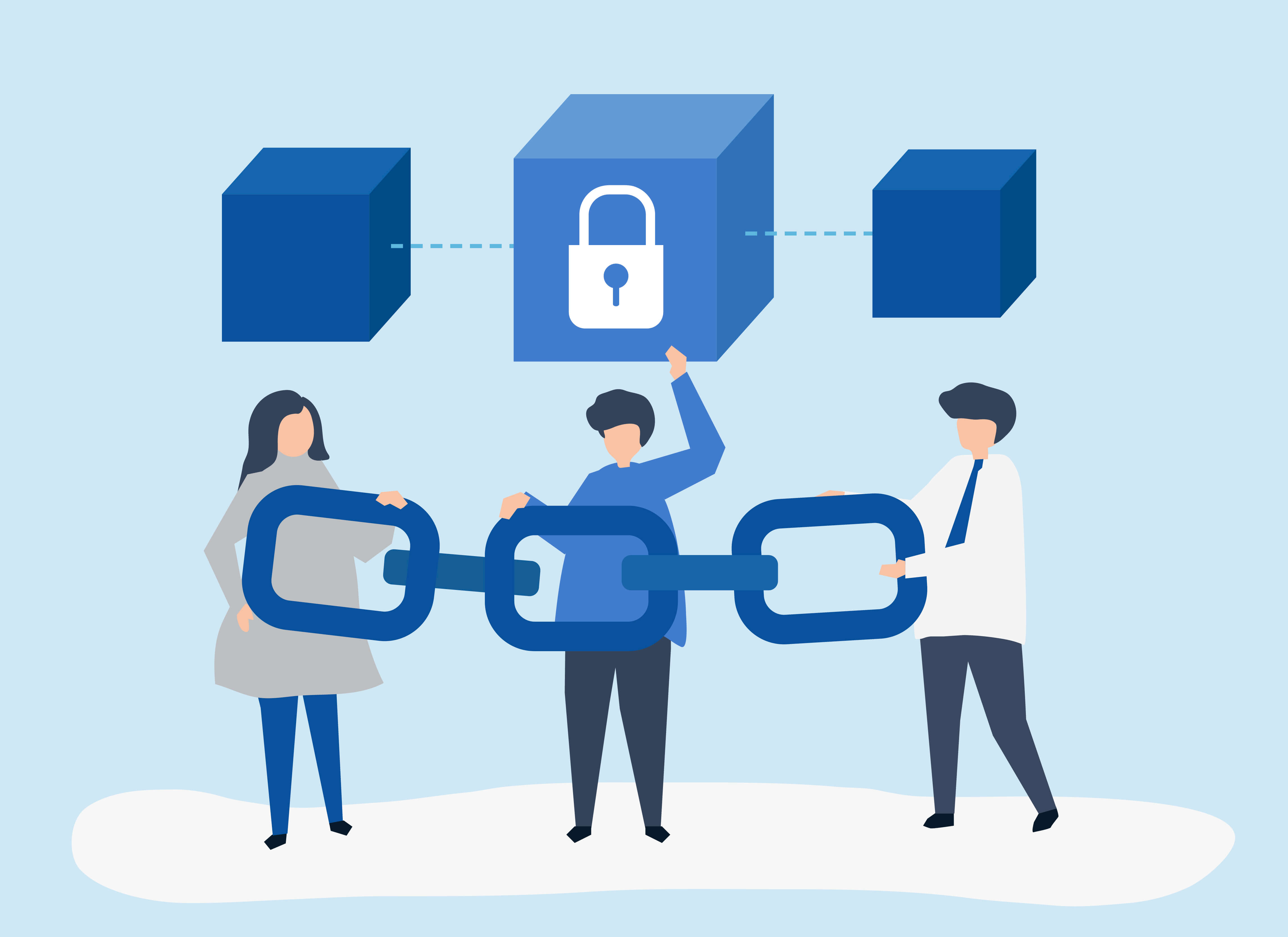
Learn how to integrate security into every phase of the software development lifecycle with proven DevSecOps practices and automation strategies.
Security can no longer be an afterthought—it must be integrated throughout the software development lifecycle. This guide covers the essential DevSecOps practices that help organizations build secure applications without sacrificing speed or agility.
Understanding DevSecOps
DevSecOps integrates security practices within the DevOps process, making security everyone's responsibility rather than a final checkpoint. It's a cultural shift that requires collaboration between development, security, and operations teams.
Key Principles of DevSecOps
- Shift security left—integrate it early in the development process
- Automate security testing in CI/CD pipelines
- Foster a security-aware culture across all teams
- Implement continuous monitoring and feedback loops
- Use infrastructure as code with security policies
Security Testing Automation
Automated security testing should be embedded in your CI/CD pipeline. Static Application Security Testing (SAST), Dynamic Application Security Testing (DAST), and Software Composition Analysis (SCA) can catch vulnerabilities before they reach production.
Container and Infrastructure Security
- Scan container images for vulnerabilities before deployment
- Use minimal base images to reduce attack surface
- Implement runtime security monitoring
- Follow the principle of least privilege
- Scan IaC configurations for misconfigurations
Building a Security Culture
Foster a security-aware culture within your development teams. Provide training, establish secure coding guidelines, and create feedback loops so developers learn from security findings. Security champions within teams can accelerate this cultural shift.